February 9, 2026
Keeping a vehicle in safe operating condition requires ongoing attention to the systems that protect the driver, passengers, and everyone else on the road. Among these systems, brakes are one of the most critical. They control stopping distance, help stabilize the vehicle in emergencies, and provide drivers with confidence when navigating traffic, steep hills, or inclement weather. Because brakes gradually wear down over time, many drivers are unsure exactly when to schedule professional care. Ignoring the warning signs can lead to costly repairs, reduced performance, or preventable accidents. Understanding how brakes function, how wear presents itself, and which indicators signal the need for professional attention can help vehicle owners make informed and proactive decisions about maintenance.
This discussion explains practical, research-based ways to determine whether a vehicle needs attention, while also addressing common myths and misconceptions. By learning what sounds, sensations, and driving behaviors point toward mechanical problems, drivers can better evaluate their vehicles and seek help before small issues grow into major failures. Knowing when to book an appointment can ultimately prolong the life of the braking system and ensure safer, more predictable performance on the road.
Recognizing Early Warning Signs
One of the clearest indicators that a vehicle may benefit from a brake repair service is the presence of new or unusual sounds. Squealing or high-pitched noises often occur when the brake pad wear indicators make contact with the rotor, functioning as an early reminder that the pads are thinning. Grinding noises, in contrast, can signal metal-to-metal contact, which usually means the pads are too worn to protect the rotor surface. Drivers should also pay attention to braking responsiveness. If the brake pedal sinks lower than usual, feels spongy, or requires more pressure to slow the car, hydraulic system issues or air in the brake lines may be the cause. These signals rarely resolve on their own and generally worsen over time.
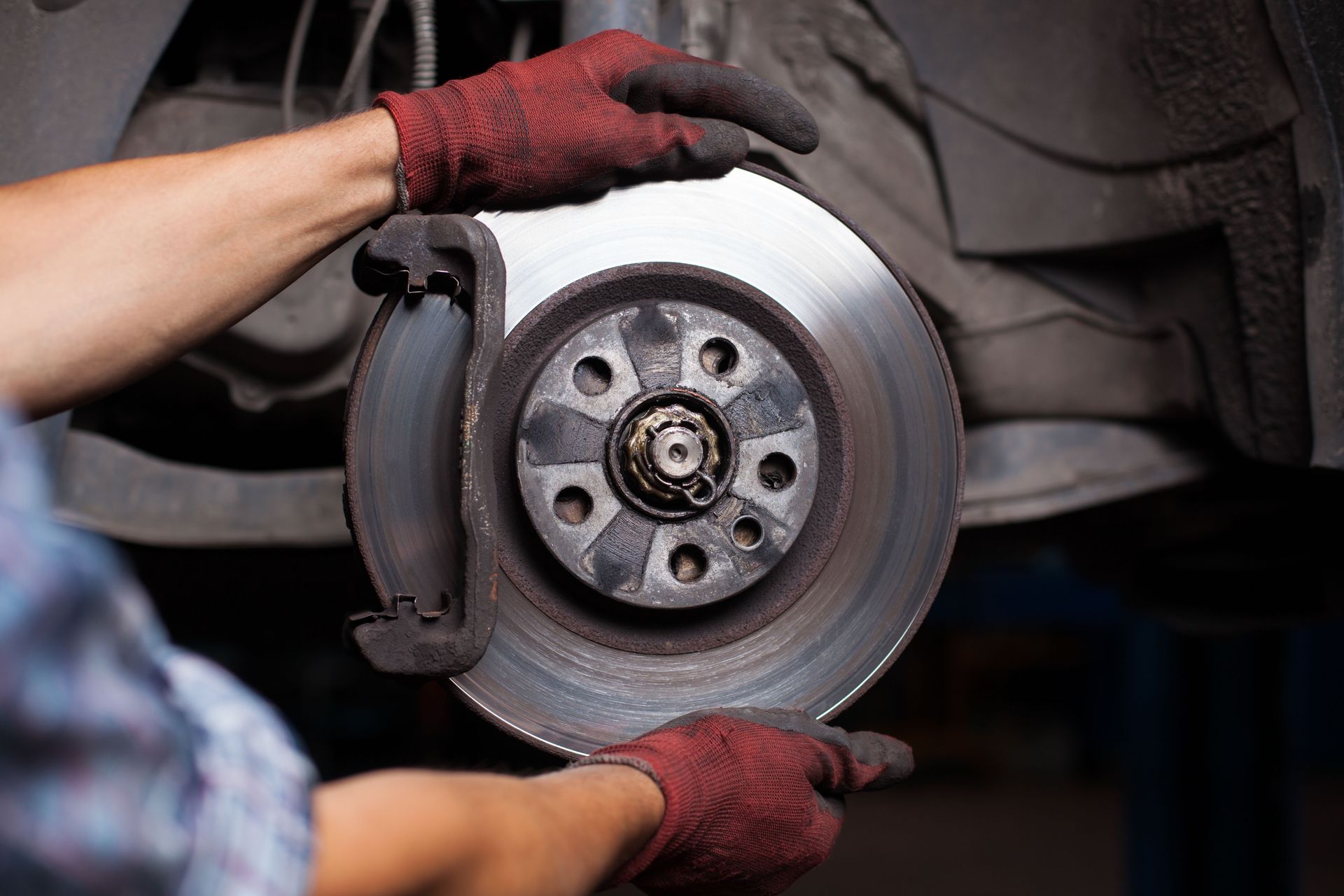
Visual inspection can sometimes provide additional information. Rust, deep grooves in the rotors, or leaking brake fluid around wheels or under the vehicle are strong signs that professional evaluation is necessary. Because brake components operate in harsh conditions of heat, friction, and debris, gradual deterioration is normal. What matters most is recognizing changes early and addressing them promptly.
Understanding How Brakes Wear Over Time
Knowing what influences brake lifespan helps drivers predict when maintenance may be approaching. Brake pads wear faster in situations that require frequent stopping, such as city driving, heavy traffic, or downhill routes. Vehicle weight, towing habits, and driving style also play a role. According to Cars, brakes may last only 15,000 to 30,000 miles with frequent city or rush-hour driving, whereas steady highway driving can extend their lifespan to 70,000 miles or more. These estimates illustrate why mileage alone cannot fully determine condition; context matters.
Environmental factors such as road salt, humidity, and temperature extremes affect corrosion and wear. Drivers who commute in winter climates or near coastal regions may see components deteriorate faster. Because of these variables, periodic inspections are essential, even when a car still feels responsive. Scheduling a brake repair service at the first sign of irregular performance helps technicians identify subtle issues before they evolve into more expensive repairs.
Evaluating Noises and Vibrations During Braking
Vibrations, shaking, or pulsations felt through the steering wheel or brake pedal typically indicate that rotors are warped or uneven. Heat buildup, sudden hard braking, or improper installation can cause rotors to develop high and low spots, which then create oscillation during stopping. In some cases, contaminated brake pads coated with oil or debris can lead to similar sensations. Drivers may assume these symptoms are minor inconveniences, but ignoring them can reduce stopping efficiency and stress other parts of the system.
Clicking noises or rattling sounds when applying brakes can signal loose components such as caliper pins or mounting brackets. These parts hold pads in place and ensure consistent contact with the rotor. When they loosen, braking becomes less predictable. Seeking a brake repair service when these sensations begin allows professionals to tighten, lubricate, or replace affected hardware before further damage occurs. A smooth, quiet brake feel is a sign of a properly functioning system; persistent noise or vibration rarely resolves without intervention.
Considering Dashboard Warnings and Performance Changes
Modern vehicles contain advanced sensors that monitor the health and performance of multiple systems. Dashboard lights, particularly those linked to the anti-lock braking system (ABS), should never be dismissed. When an ABS light illuminates, it often means the vehicle’s computer has detected an issue with wheel sensors, hydraulic pumps, or electronic controls. While the vehicle may still stop, its ability to manage sudden skids or maintain traction during emergency braking may be compromised.
Drivers should also track changes in stopping distance. If the vehicle requires more road space to slow or stop under typical driving conditions, the braking system is likely losing effectiveness. Soft pedals, delayed braking response, or pulling to one side during stops are all signs that uneven wear or hydraulic imbalances may be present. Scheduling a brake repair service at this point ensures that technicians can diagnose and correct the underlying cause before the situation becomes unsafe.
Choosing Professional Inspection and Service
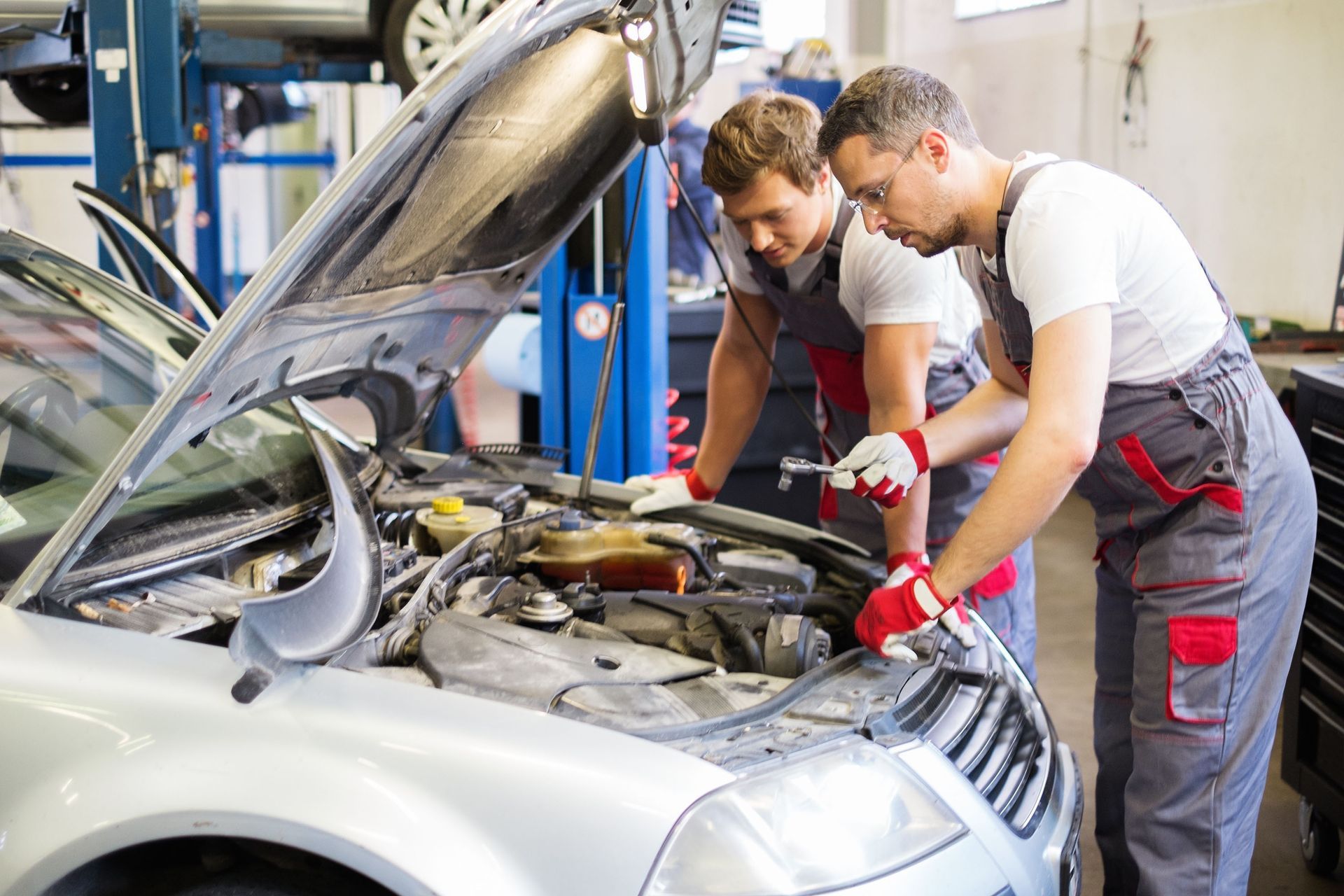
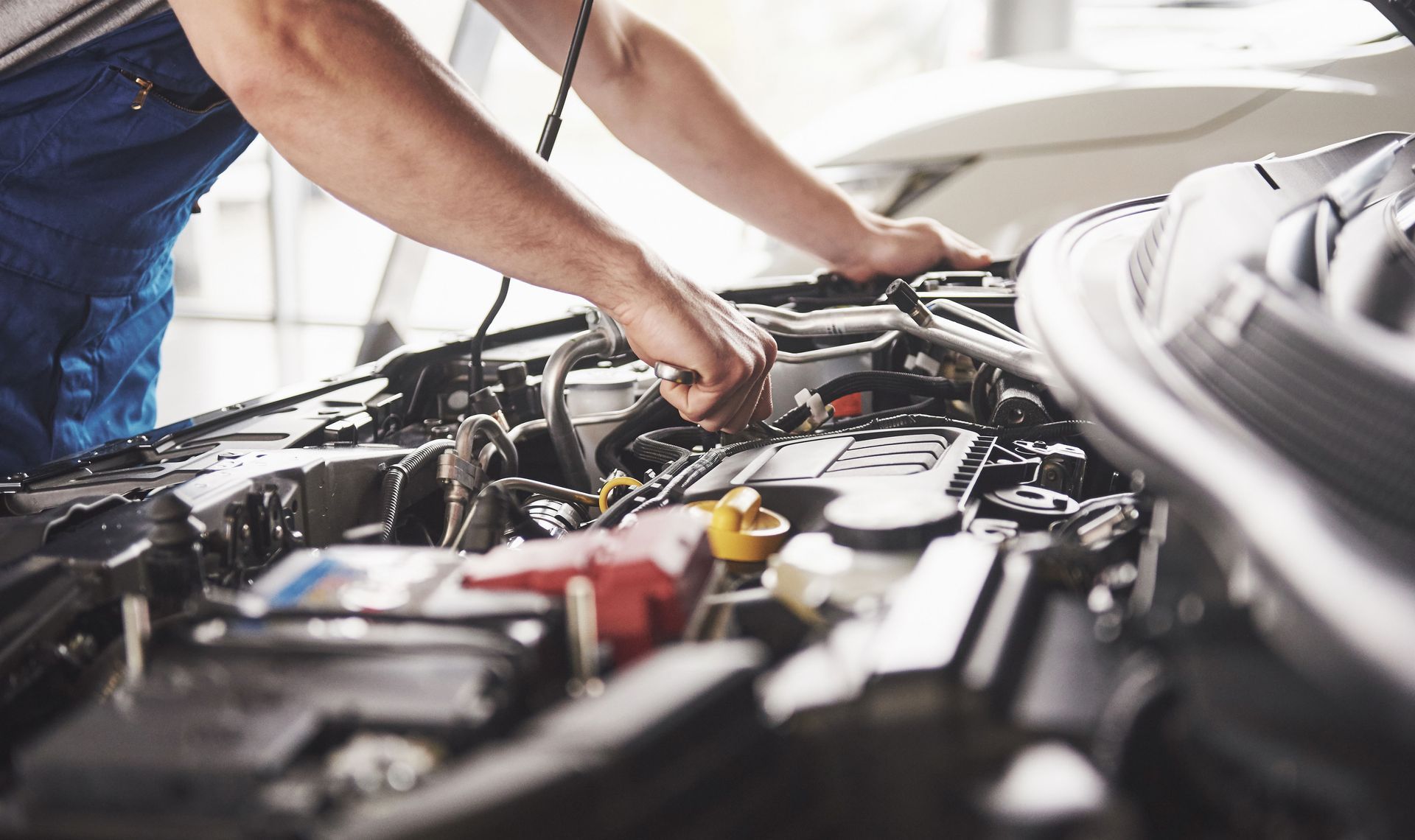
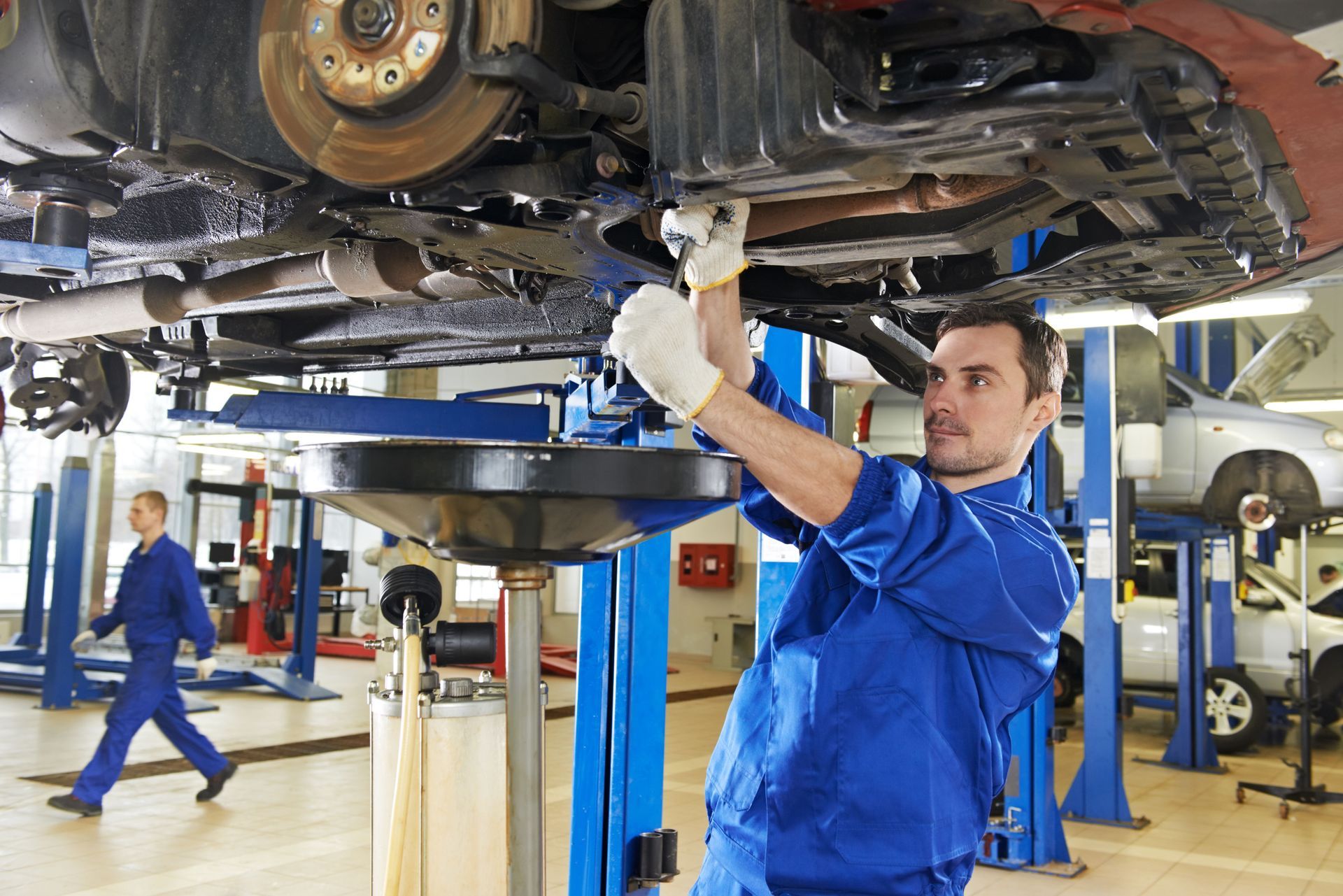
Although some drivers attempt do-it-yourself repairs, the complexity and safety importance of modern brakes make professional care preferable in most situations. Certified technicians possess the tools and diagnostic equipment necessary to evaluate pad wear, rotor thickness, caliper movement, and hydraulic integrity. They can also identify related issues, such as suspension problems or uneven tire wear, that may be contributing to braking concerns. When drivers schedule a brake repair service, they receive expert guidance about whether resurfacing, replacement, or adjustment is the most cost-effective and safe solution.
Professional inspections also ensure that parts meet manufacturer specifications and are installed correctly. Torque settings, lubrication points, and break-in procedures affect performance more than many drivers realize. An improperly installed brake component may work temporarily but eventually fail under pressure. Investing in a thorough brake repair service helps maintain warranty coverage, ensures consistent stopping ability, and supports long-term vehicle reliability.
Preparing for the Appointment and Staying Proactive
Before visiting a shop, drivers benefit from documenting symptoms. Noting when noises occur, whether vibrations happen at specific speeds, or when warning lights appear, helps technicians diagnose problems faster. Sharing mileage history, recent repairs, and driving conditions also improves accuracy. Being proactive rather than reactive often reduces the overall cost of repairs.
After the service, it is wise to monitor how the vehicle feels during the first several drives. New pads and rotors may require a short break-in period, during which gentle braking helps them seat properly. Ongoing attention—combined with periodic inspections—creates a cycle of care that preserves braking performance and reduces the likelihood of sudden failures. When drivers stay aware of their vehicle’s behavior and respond to early cues, they maintain not only mechanical integrity but also personal safety.
Ultimately, knowing when to seek professional help is about recognizing patterns, understanding wear, and respecting the critical role brakes play in overall vehicle control. Subtle signals often appear long before hazards develop, and responding early can make the difference between a routine appointment and a costly emergency repair. For drivers uncertain about their brake condition, scheduling an evaluation provides clarity, peace of mind, and safer travels. Call Intermaco Auto Service today to schedule your auto repair or maintenance service.